Second-Chance Lesbian Romance: When History Gets Another Try
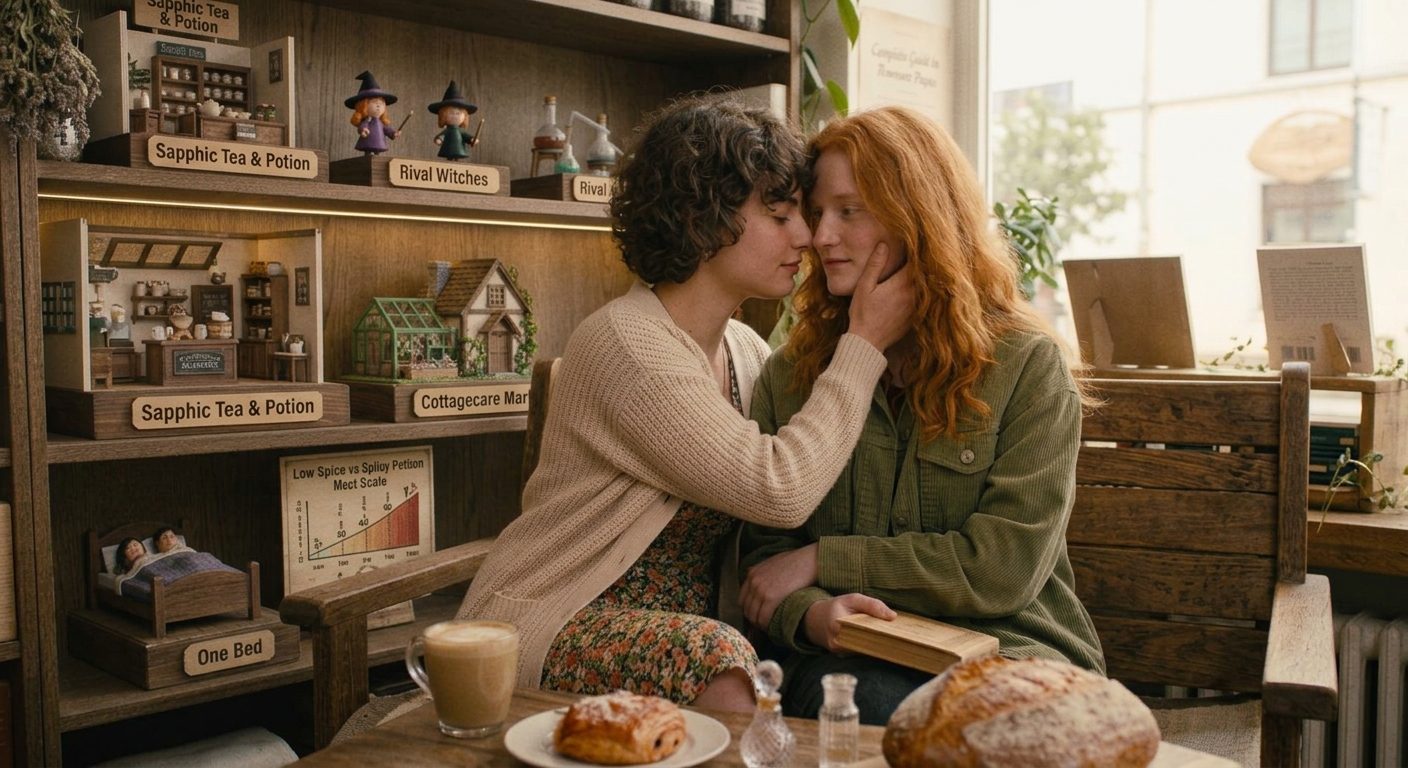
Some romances begin with a first meeting. Second-chance romance begins with a history. The characters have already loved, almost loved, misunderstood each other, or walked away before they were ready. When they meet again, every conversation contains two timelines: what happened then, and what might be possible now.
That is why second chance can be one of the richest lesbian romance tropes. It is not only about getting back together. It is about asking whether people can change enough—and forgive enough—for an old love to become a new choice.
The emotional appeal of unfinished business
A second-chance romance arrives with built-in intimacy. The characters already know each other’s favorite habits, insecurities, and vulnerable places. They may also know exactly how to hurt each other. That combination creates immediate emotional stakes without requiring the story to manufacture attraction from scratch.
The best second-chance stories do not pretend the past did not happen. They let the characters examine why the first relationship failed. Was it bad timing? Fear? Distance? Family expectations? A lack of self-knowledge? A mistake that needs genuine repair? The answer determines whether reunion feels earned.
Popular second-chance setups
The hometown return is a classic: one woman leaves, builds another life, and comes back to discover the person she once loved is still there. The reunion works especially well in small-town romance because the setting carries memory. A shared friend group, an old café, a family event, or a local tradition can bring the past vividly back.
Other versions include former classmates, ex-bandmates, old teammates, college friends, coworkers who meet again years later, or women who had a brief encounter that neither forgot. Each setup offers a different kind of question: did they grow apart, or were they interrupted?
Why it can resonate in sapphic romance
For lesbian characters, timing can be particularly meaningful. A relationship may have ended because one woman was not ready to be visible, did not yet understand herself, or felt trapped by expectations. These stories can be powerful when they treat that history with compassion without asking the other character to erase the hurt it caused.
The healthiest second-chance romances make room for accountability. Growth must be visible. An apology is not a plot device; it is the beginning of a different way of relating.
Choose second chance when…
Choose second chance if you love history, emotional honesty, old feelings resurfacing, familiar places, and the satisfaction of watching characters choose each other with more knowledge than they had the first time. It is perfect for readers who want romance with depth from the opening chapter.
Skip it when…
Skip it if unresolved conflict or ex-partner dynamics feel stressful right now. Second-chance romance often spends time inside regret, even when it ultimately moves toward hope.
At its best, second chance romance is not nostalgia. It is a story about the difference between wishing you could return to the past and discovering that you can build something better because you survived it.
Keep reading: Find second-chance, friends-to-lovers, small-town, and other sapphic dynamics in the Lesbian Romance Tropes hub. For reunion stories specifically, browse these sapphic second chance romance books.
Comments
Post a Comment